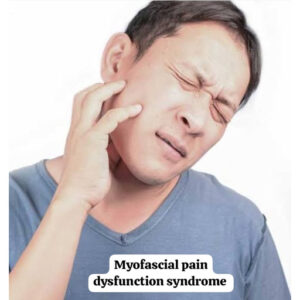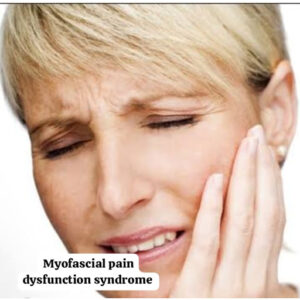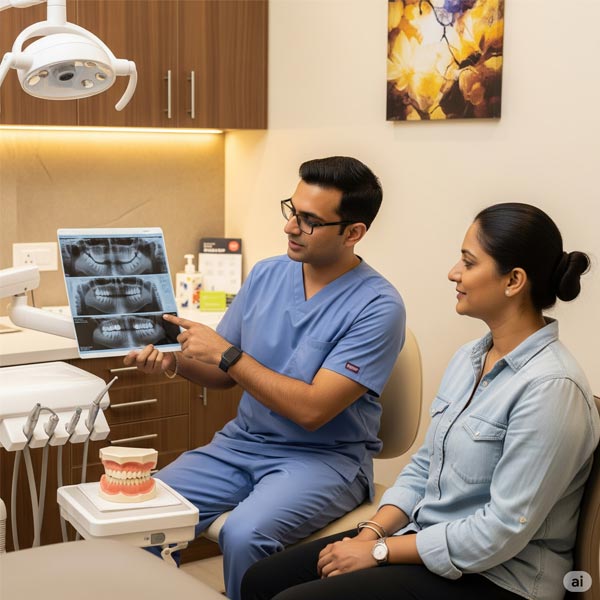
Myofascial Pain Dysfunction Syndrome (MPDS) in dentistry treatment focuses on relieving pain and restoring function of the temporomandibular joint (TMJ) and surrounding muscles. This typically involves a combination of conservative methods like medications, physical therapy, and dental appliances, with surgery considered in severe cases. Myofascial physiotherapy approach involves techniques like massage, stretching, and manual therapy to release tension in the jaw, neck, and surrounding muscles and fascial tissues
Benefits of Myofascial Physiotherapy:
- Pain Relief: Myofascial physiotherapy can effectively reduce pain associated with MPD and TMJ disorders.
- Muscle Relaxation: It helps relax tense and tight muscles, contributing to improved jaw function.
- Improved Range of Motion: By addressing fascial restrictions, it can improve the range of motion in the jaw and surrounding areas.
- Restoration of Proper Jaw Function: Myofascial physiotherapy can help restore proper jaw movement and posture
Causes of Excessive Tensions in Jaw Muscles
- Stress
- Temporomandibular joint injuries
- Bad habits, parafunctions and bite problems.
- Side effects of certain medications
- Orthodontic treatmen
Dental physiotherapy employs various rehabilitation techniques, such as:
- Manual therapy – relaxes the dental system muscles, mobilizes soft tissues inside and outside the mouth, performs temporomandibular joint traction, and aims for myofascial balance.
- Soft tissue massage – our physiotherapist uses knowledge and experience to perform soft tissue massages, causing their relaxation.
- Individual exercises performed by the patient at home to deepen rehabilitation effects.
- Kinesiotaping – taping specific body parts with special tapes that lift the skin and deepen the space between it and the muscles